Early Education School (EES)
Where school begins long before Kindergarten — in play, in wonder, and in the safety of being deeply known.
Where school begins long before Kindergarten — in play, in wonder, and in the safety of being deeply known.
More happens here than at any other stage of learning.
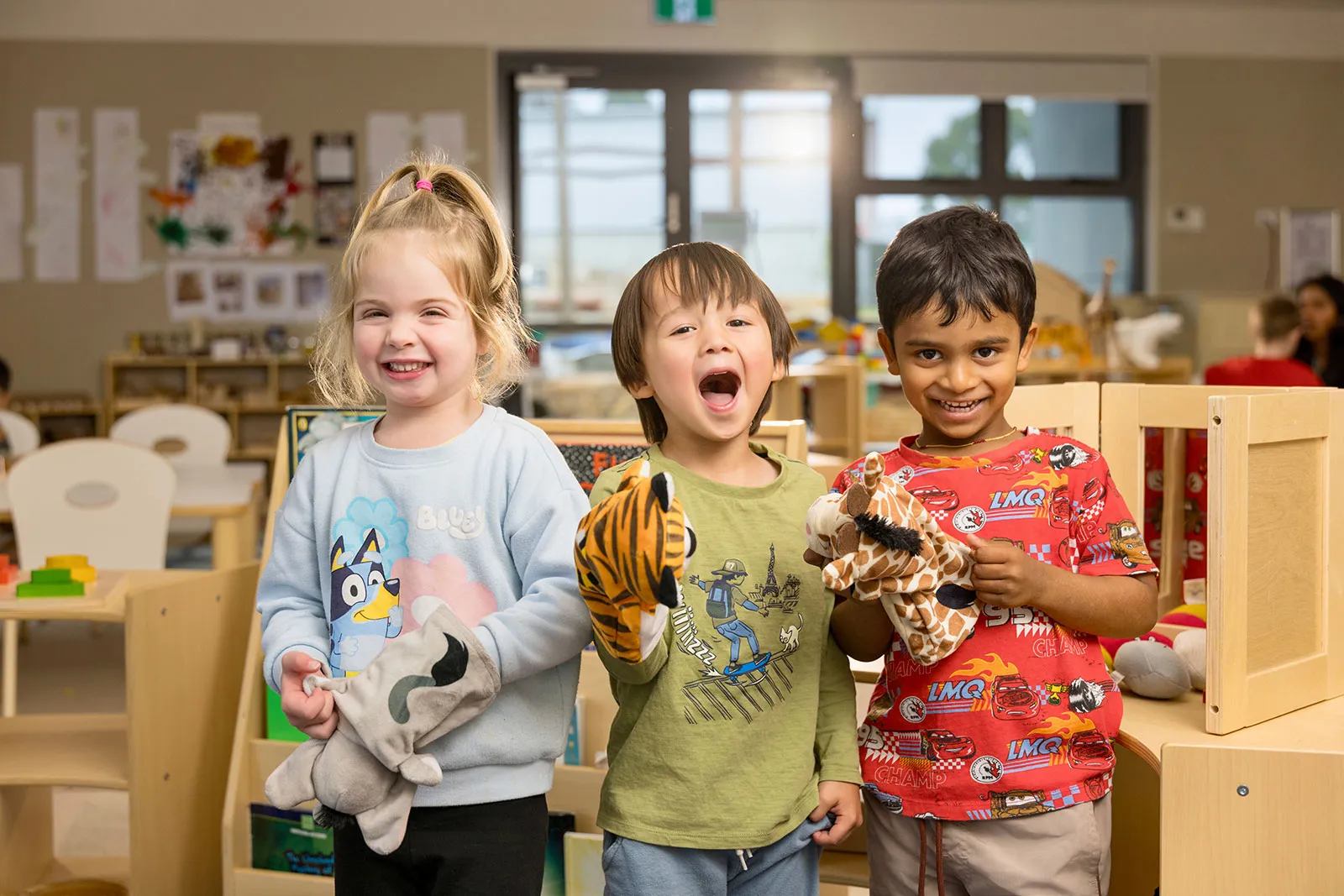
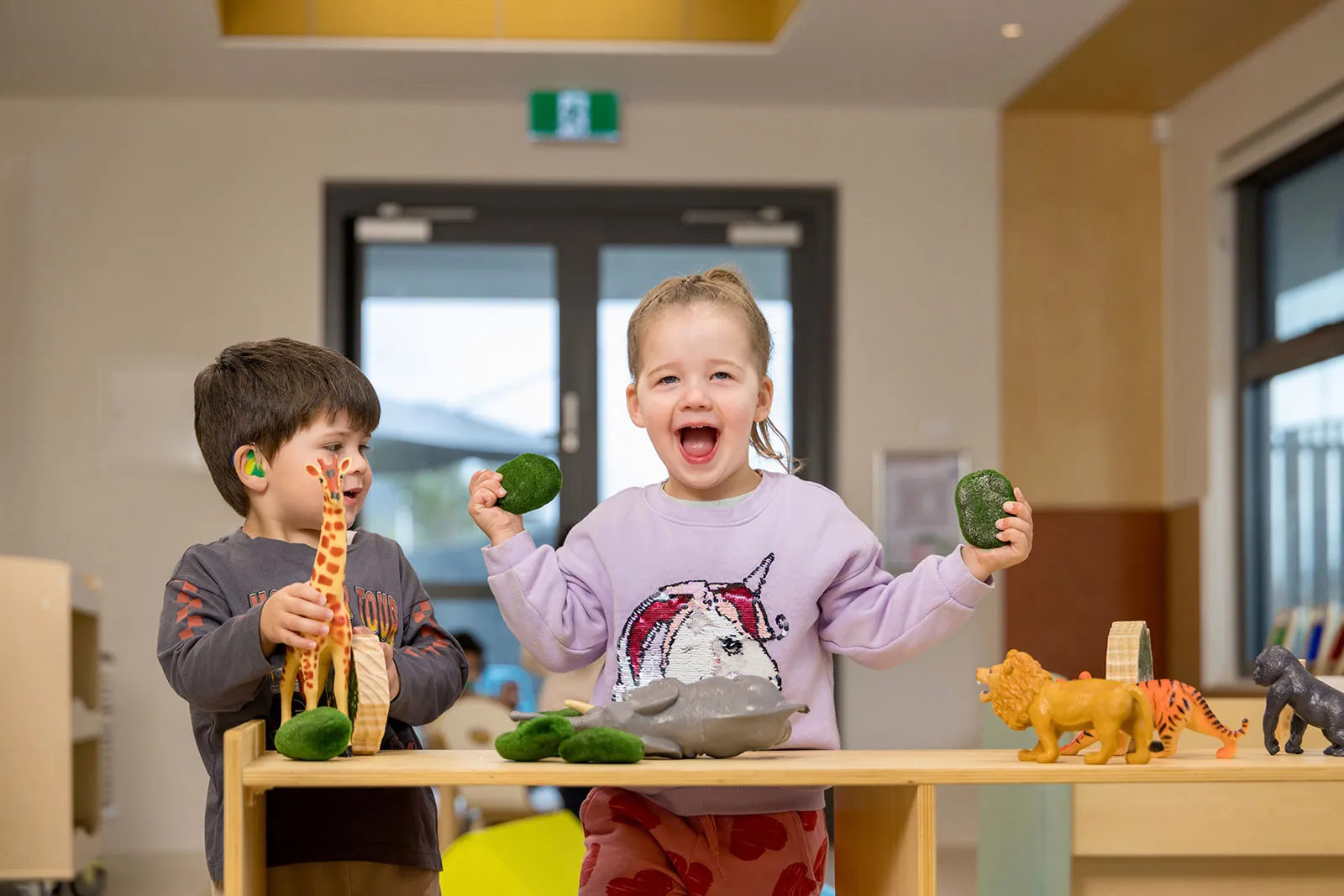
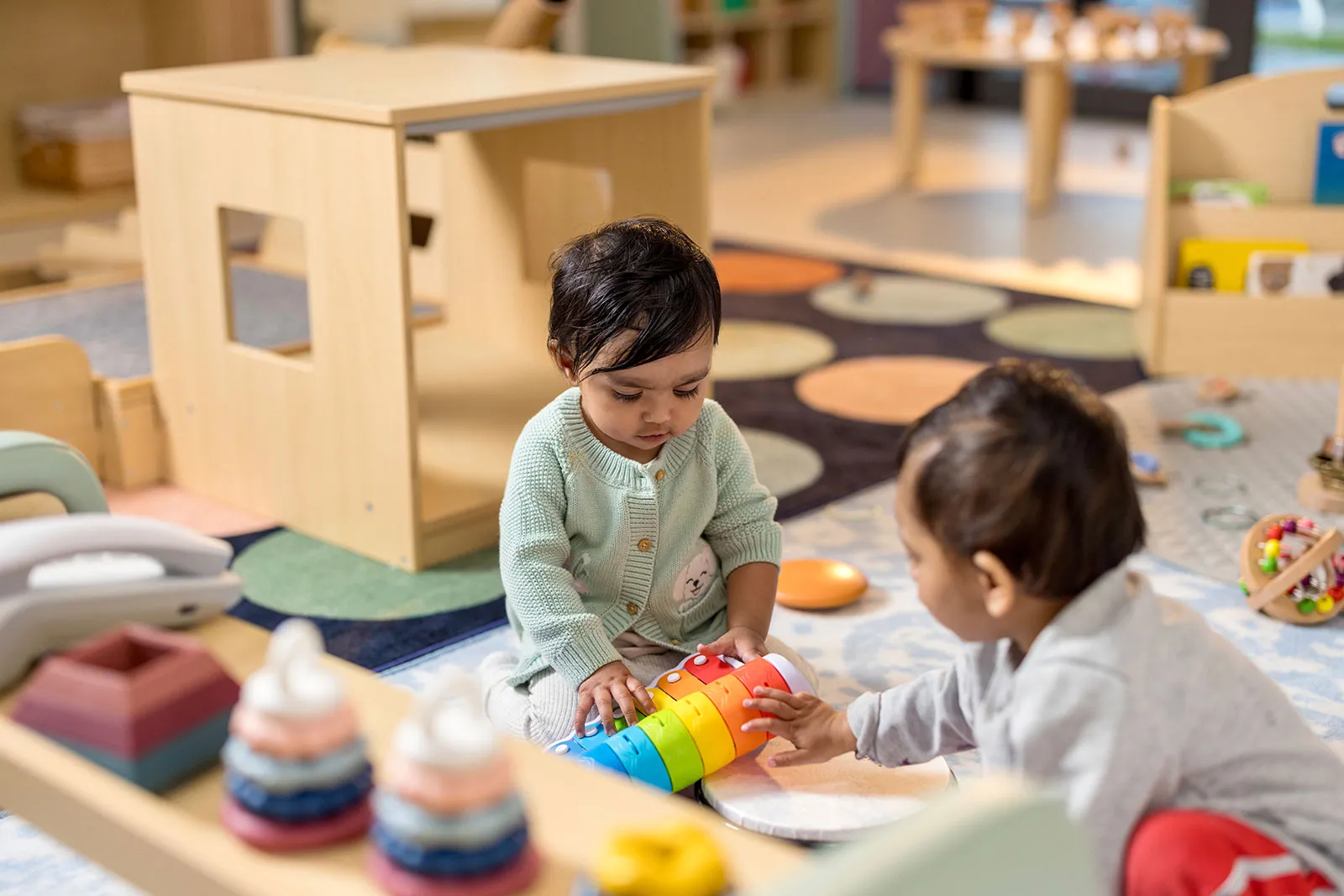
A child's first five years build the architecture that everything else rests on: language, curiosity, self-control, and the confidence to try. Our Early Years program is built on that understanding. Children learn through play, guided by educators who know exactly what each moment of play is teaching and how to extend it.
The program is warm and unhurried, but it is not accidental. Every day is planned with intent, so that children arrive at Kindergarten not just ready for school, but genuinely eager for it.
Play, taught with purpose
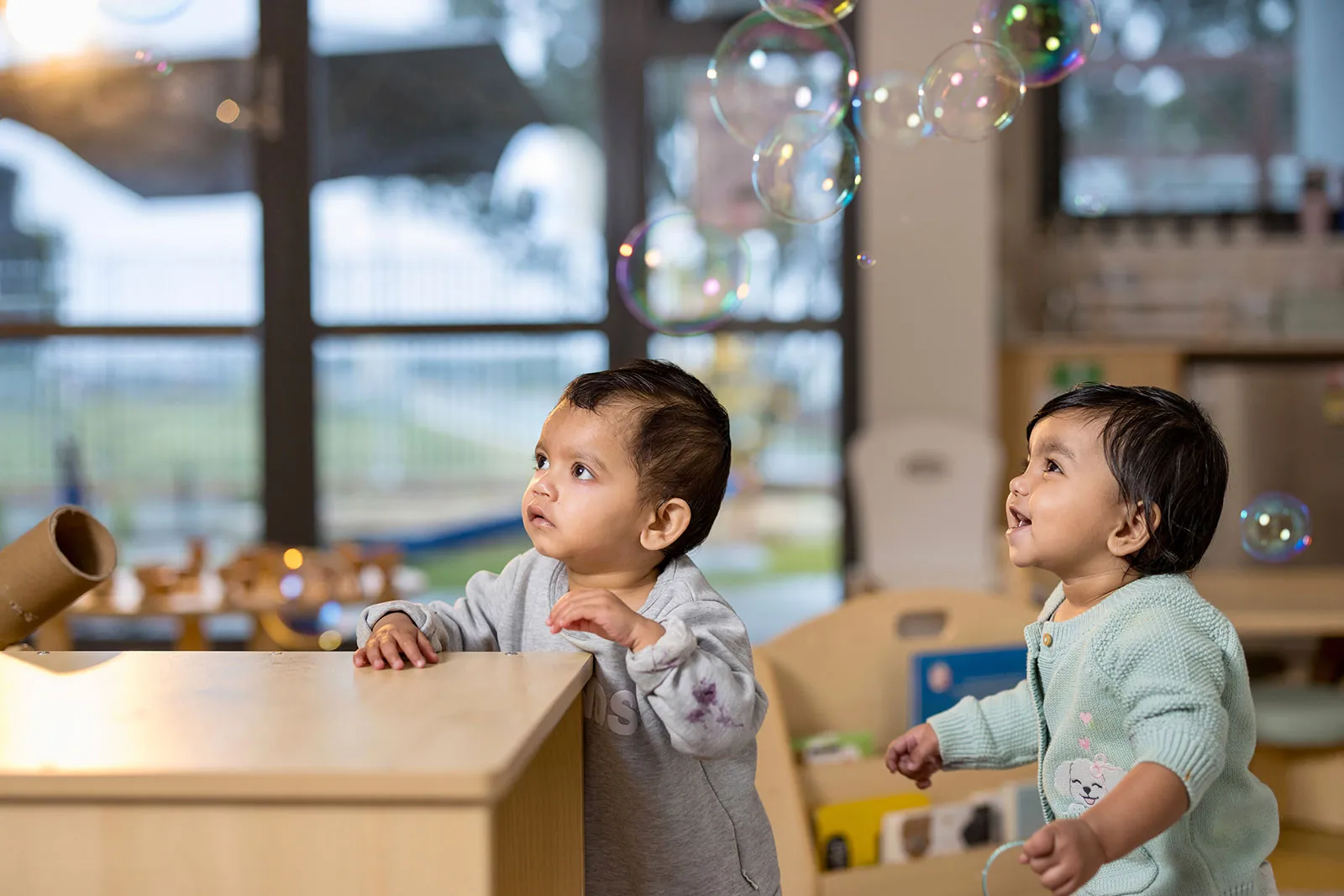
Our program is guided by the Early Years Learning Framework and the National Quality Standard, and shaped around the three things it names as the work of childhood: belonging, being and becoming. In practice, this means long stretches of uninterrupted play, generous time outdoors, and educators who join children’s play to stretch their thinking rather than interrupt it.
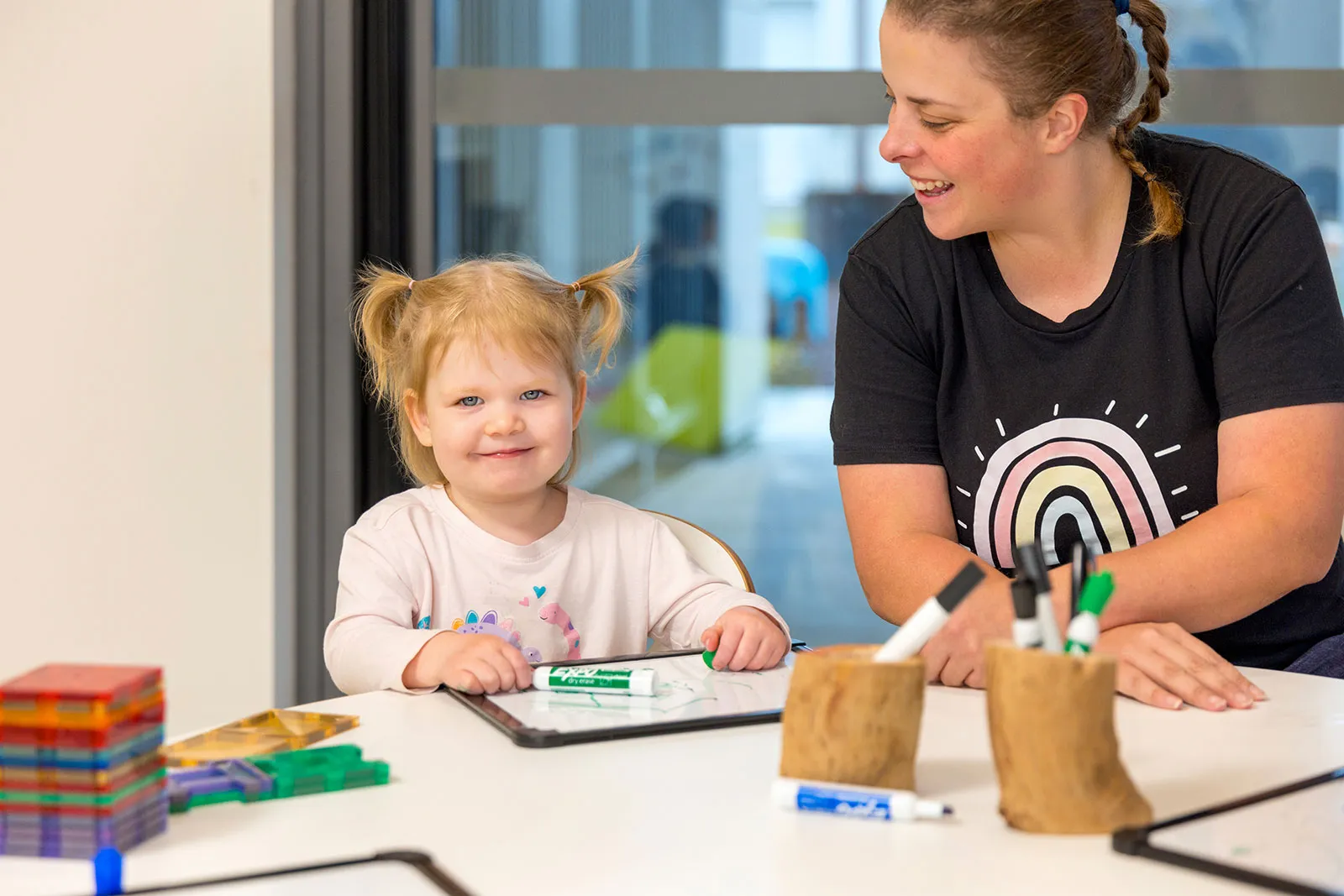
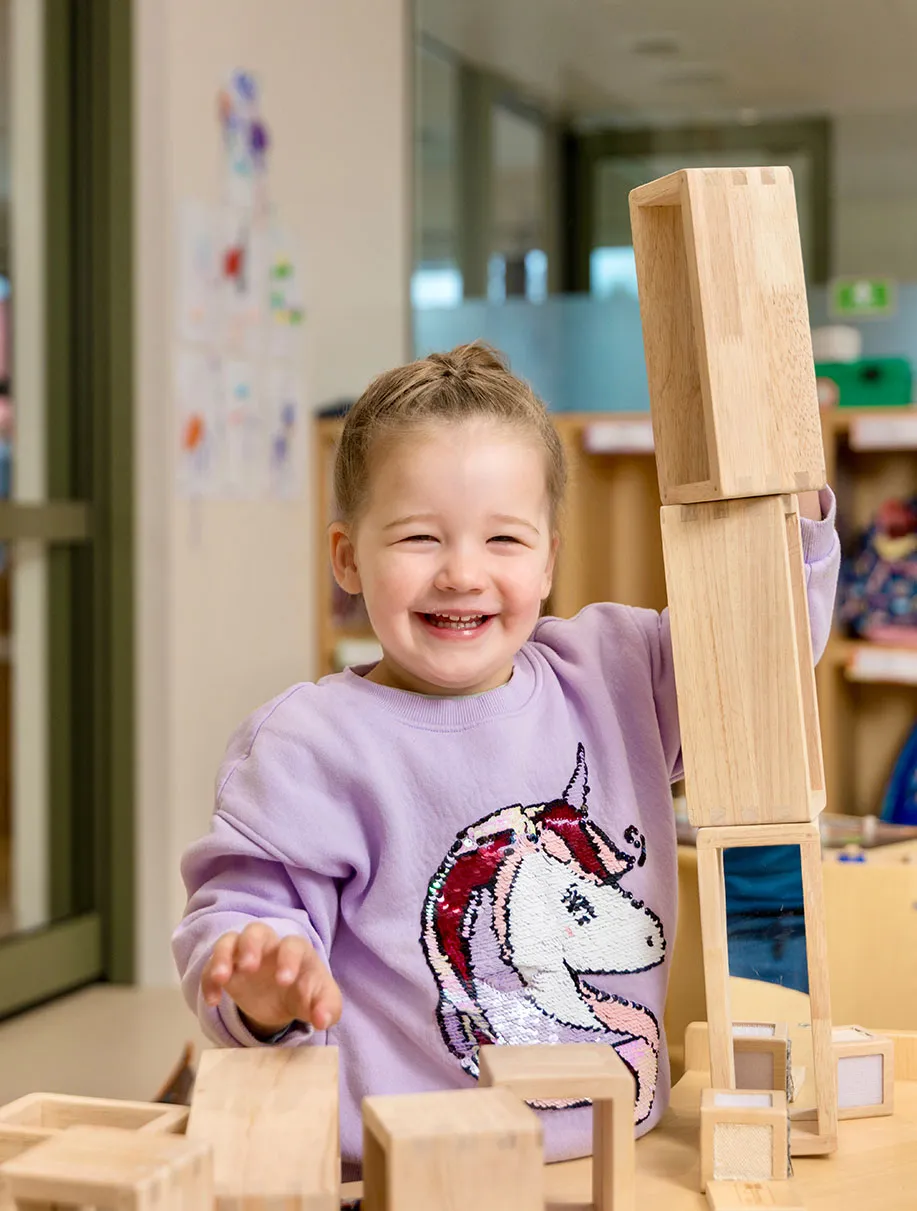
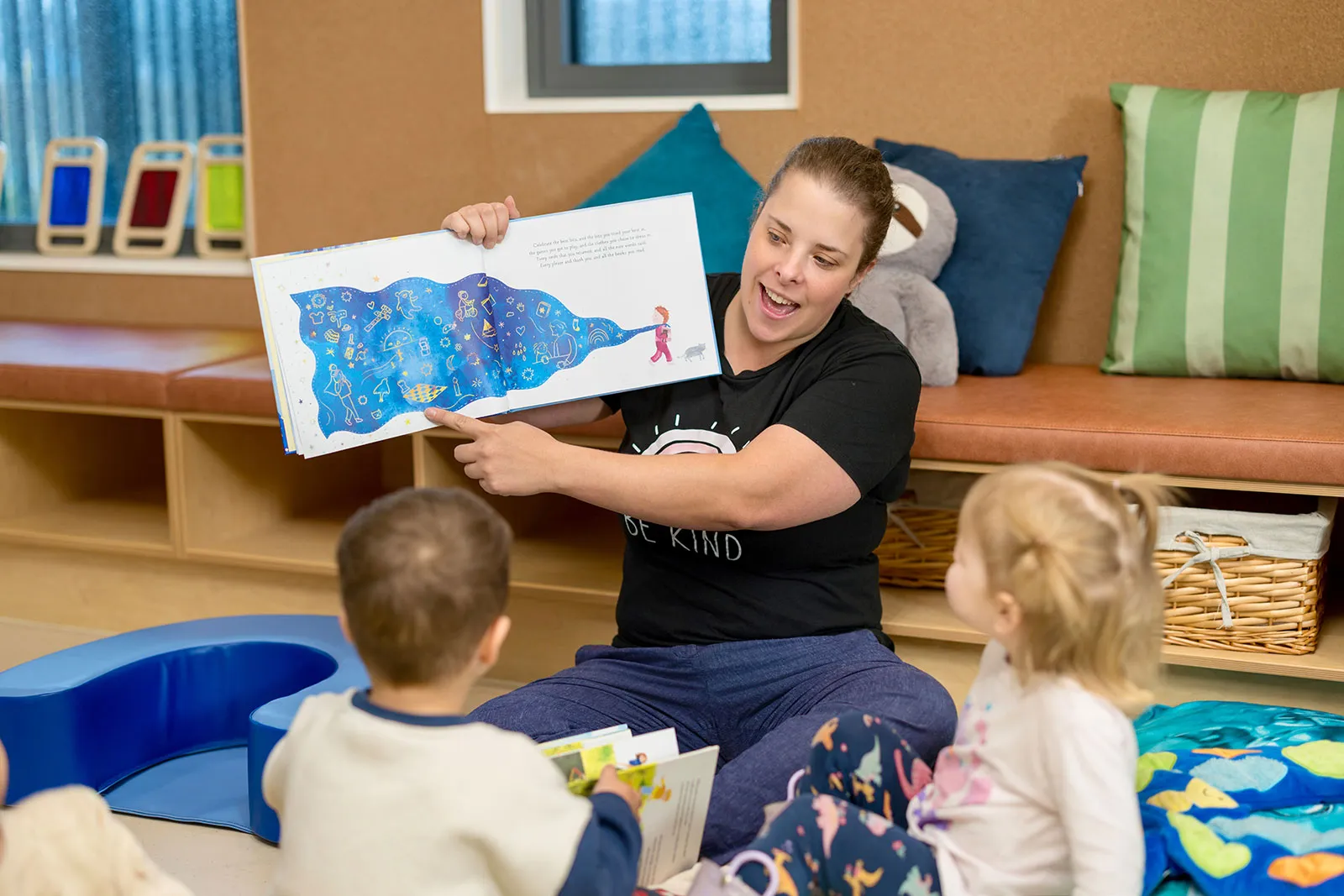
Underneath the play sits deliberate teaching. Oral language is our highest priority, because vocabulary at four is one of the strongest predictors of reading at eight. Children hear stories read aloud every day, sing, rhyme and play with the sounds inside words, building the phonological awareness that structured phonics will draw on in Kindergarten. Early mathematical thinking grows through counting, sorting, measuring, patterning and building. Fine motor skills are developed through drawing, cutting, threading and construction, so that hands are ready for pencils.
Children also spend time in the natural world each week, learning to notice, question, take safe risks and care for the place they are in.
Secure, settled and known
Young children learn when they feel safe. Each child is assigned a key educator who knows them thoroughly — how they separate at the door, what soothes them, who they play with, what they are working on — and who is the first point of contact for their family. Group sizes are small and educator-to-child ratios meet or better the National Quality Framework requirements.
Emotional skills are taught, not assumed. Children learn to name feelings, wait, share, recover from disappointment and repair a friendship, with adults alongside them while they practise. Routines are predictable, transitions are gentle, and rest and quiet time are built into every day.
We communicate with families constantly — daily at the door, and through [our family app] with photographs, learning stories and observations, so parents can see what their child did today and why it mattered.
Early Years children are part of the wider College from the beginning: shared celebrations, buddy visits from Year 6, and familiar faces in the playground long before their first day of Kindergarten.
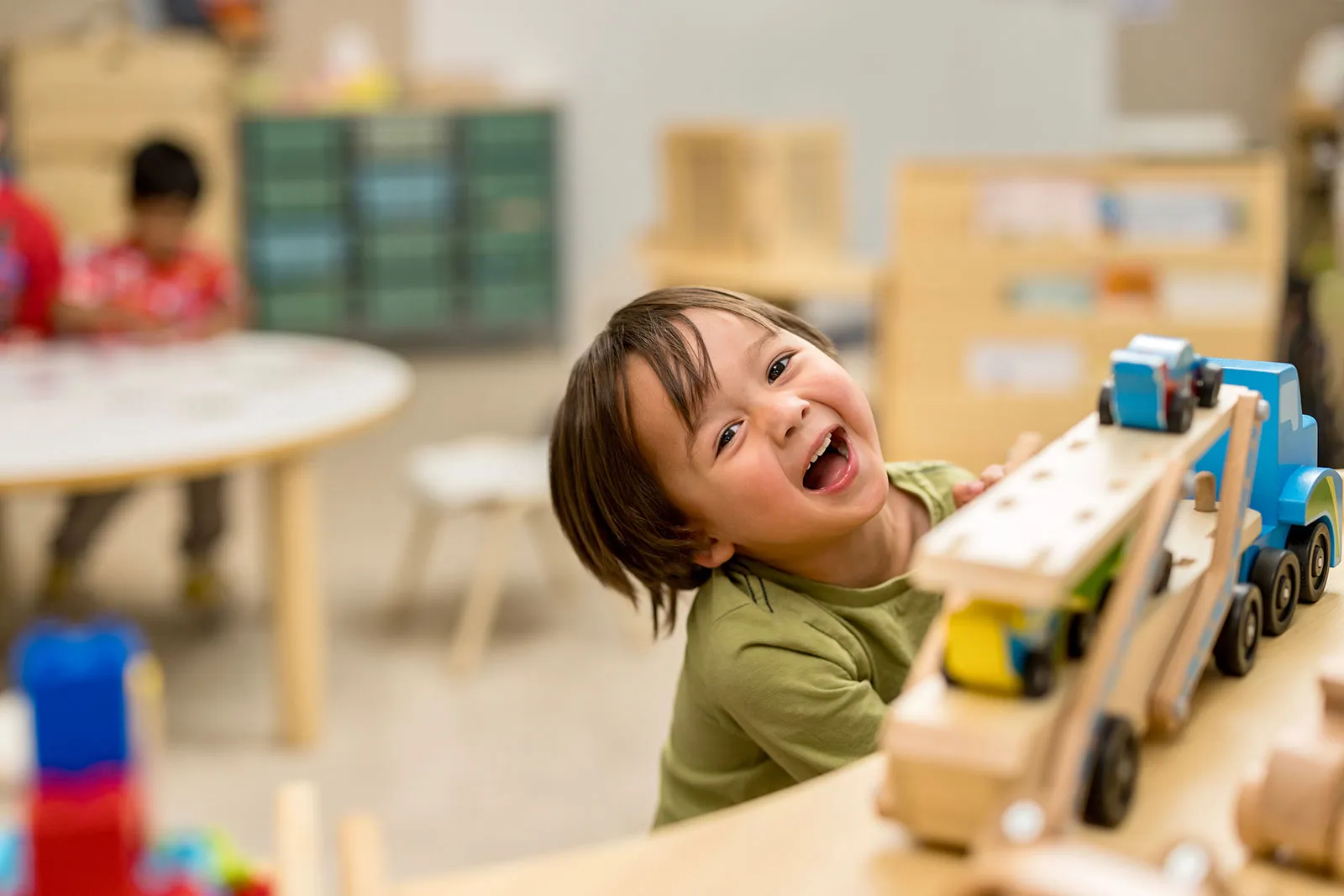
Nothing on a screen teaches a four-year-old what a conversation, a sandpit or a picture book can.
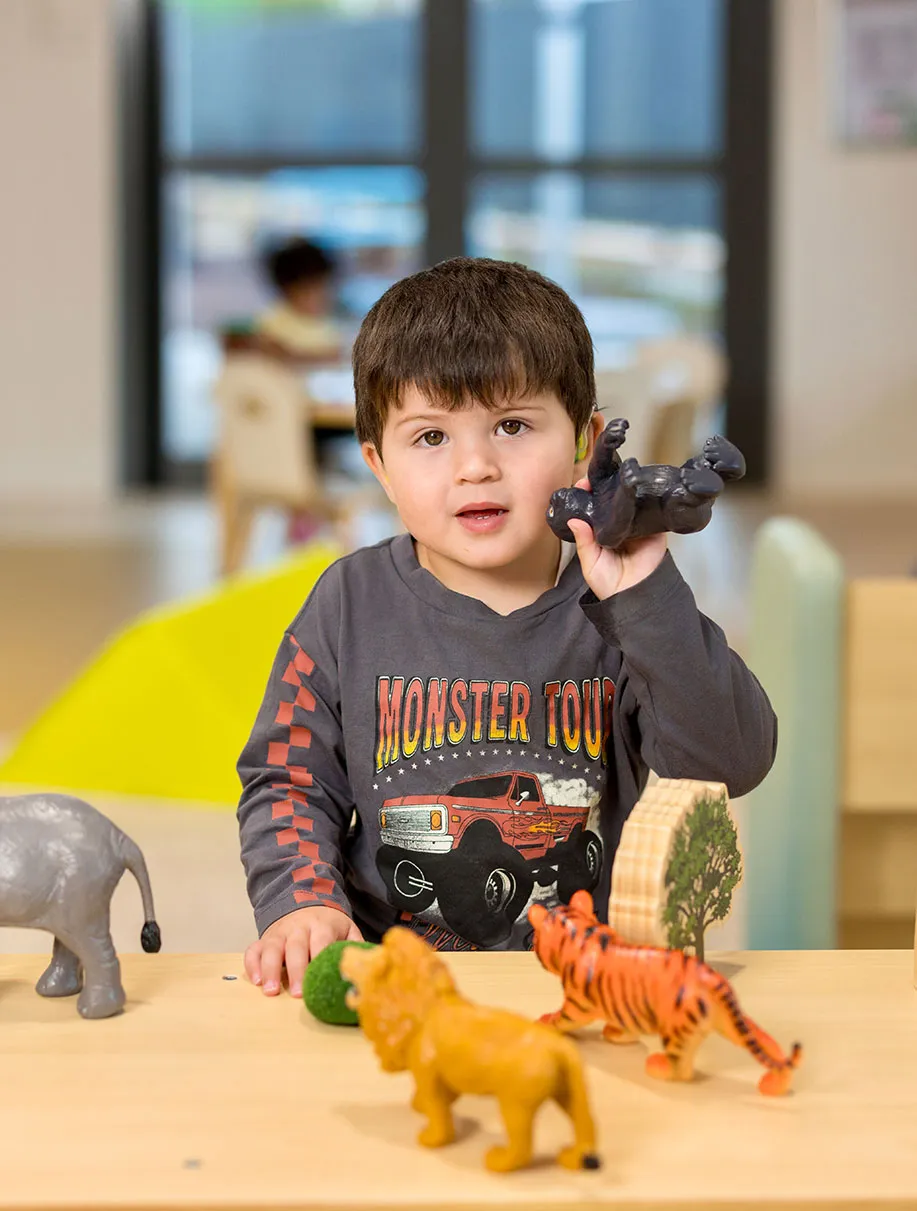
Our Early Years program is screen-free by design. Children’s time is spent talking, listening, building, painting, digging, climbing, pretending and being read to — the experiences that develop language, imagination and physical capability in ways technology cannot replicate at this age.
We share practical guidance with families about screens at home, not as a rule imposed on households, but because the research is clear and the questions parents face there are genuinely hard.
Children are not behind or ahead at four. They are simply somewhere, and our job is to know where.
Educators observe closely and document what they see, so that planning responds to the children actually in the room. Where a child needs more — with speech, movement, attention, regulation or social skills — we notice early and act early, because the early years are when support does the most good.
We work alongside families and, where helpful, with speech pathologists, occupational therapists and paediatricians, and our Learning Enrichment team is involved from the Early Years rather than waiting until school. Where a child is racing ahead, we extend them within the program rather than pushing them into formal schooling before they are ready for it.
If we have a concern, families will hear it from us early, kindly and in person.
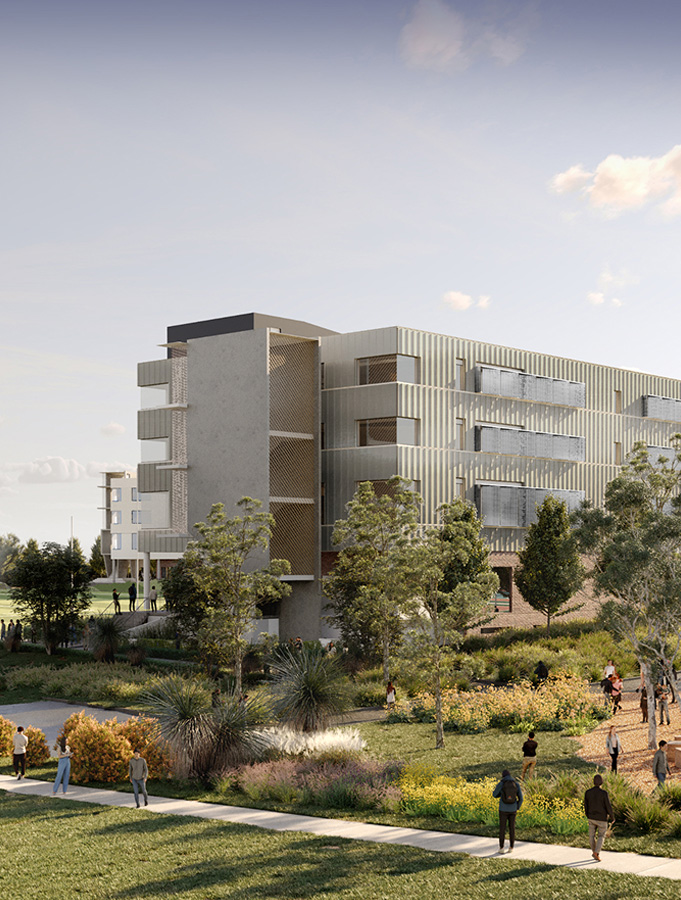
Early Years children have access to amazing facilities.
Each week includes time in our nature play program, visits to the library, and music and movement. Incursions bring visitors, animals and stories into the room.
Our transition to Kindergarten program runs across the final year: visits to Kindergarten classrooms, time with next year’s teachers, and a gradual, deliberate handover so that the first day of school is a step, not a leap.
Both descriptions miss it slightly. It is an educational program delivered by qualified early childhood educators under the National Quality Framework, and it also provides the practical hours working families need.
These are not opposites, and the research is unambiguous: at this age, well-planned play is the academic program. Children are learning language, reasoning, persistence and self-regulation while they build, negotiate and pretend. We teach deliberately within that play — vocabulary, storytelling, rhyme and sound awareness, counting and early number sense — rather than sitting four-year-olds down to worksheets. Children who leave us can hold a pencil, hear the sounds in words, follow instructions, recover from setbacks and want to know things. That is school readiness.
Early Years families receive priority consideration for Kindergarten enrolment, but a separate enrolment application is required. Applying early is strongly recommended. Speak with our Enrolments team about timing.
Separation is normal and it is temporary. We run a staged orientation before your child’s first day, we ask you about your child’s routines and comfort strategies before we need them, and your key educator will stay with your child until they are settled. We will always tell you honestly how the morning went, including on the hard days — and we are very happy to take a phone call an hour after drop-off.
No. We welcome families of all faiths and none. Early Years children take part in age-appropriate Godly Play and simple chapel experiences, which are about wonder, story, kindness and belonging rather than requiring belief.