Secondary School
A secondary school small enough to know every student by name, and broad enough to let them discover who they are.
A secondary school small enough to know every student by name, and broad enough to let them discover who they are.
Beginning secondary school is a milestone worth marking.
At Stromlo Forest Anglican College, Years 7 and 8 have been designed around a simple conviction: young people learn best when they are known. Our program supports students through the transition into adolescence with academic rigour, genuine relationships and a strong sense of purpose.
A broad and balanced academic program
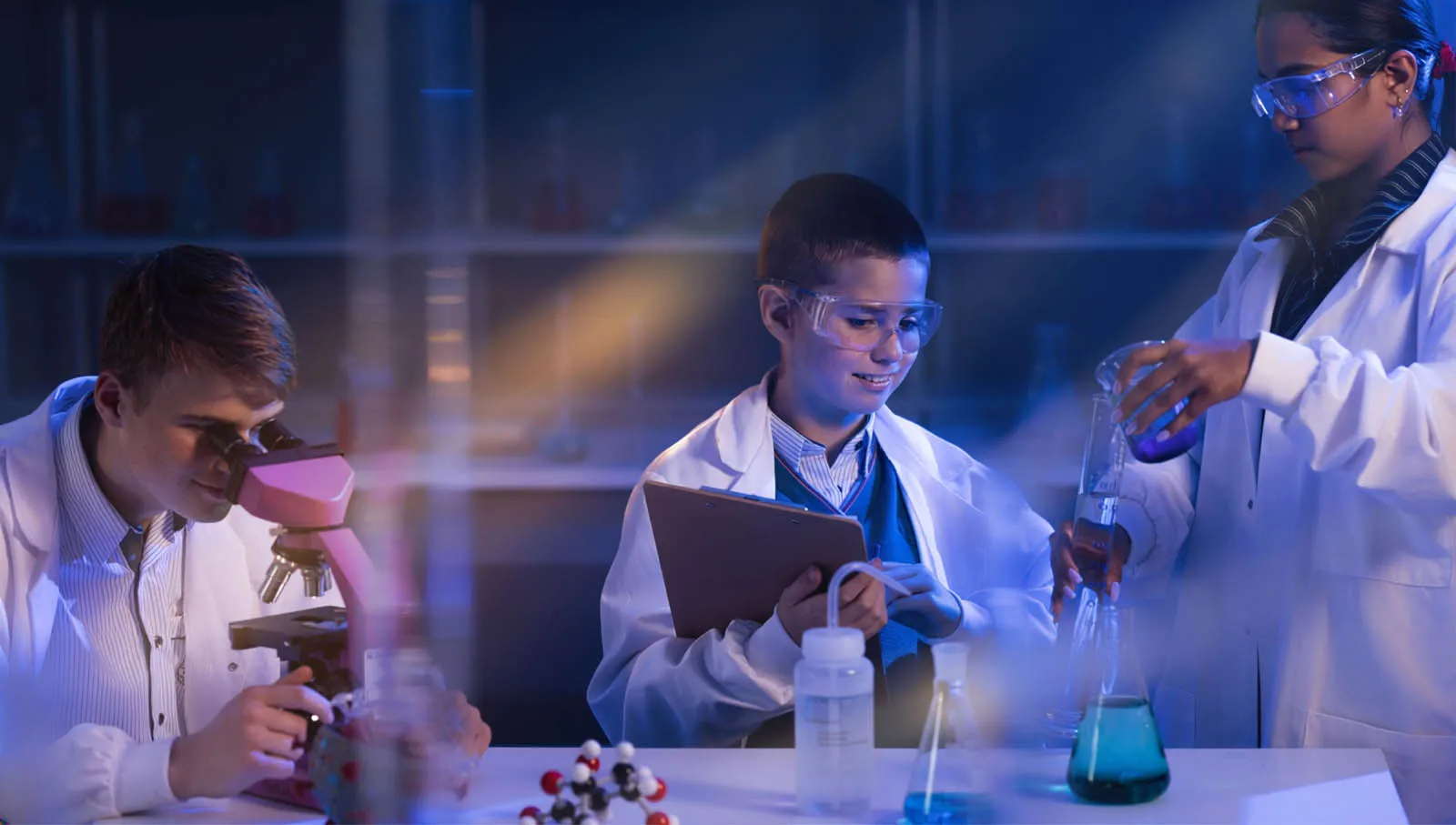
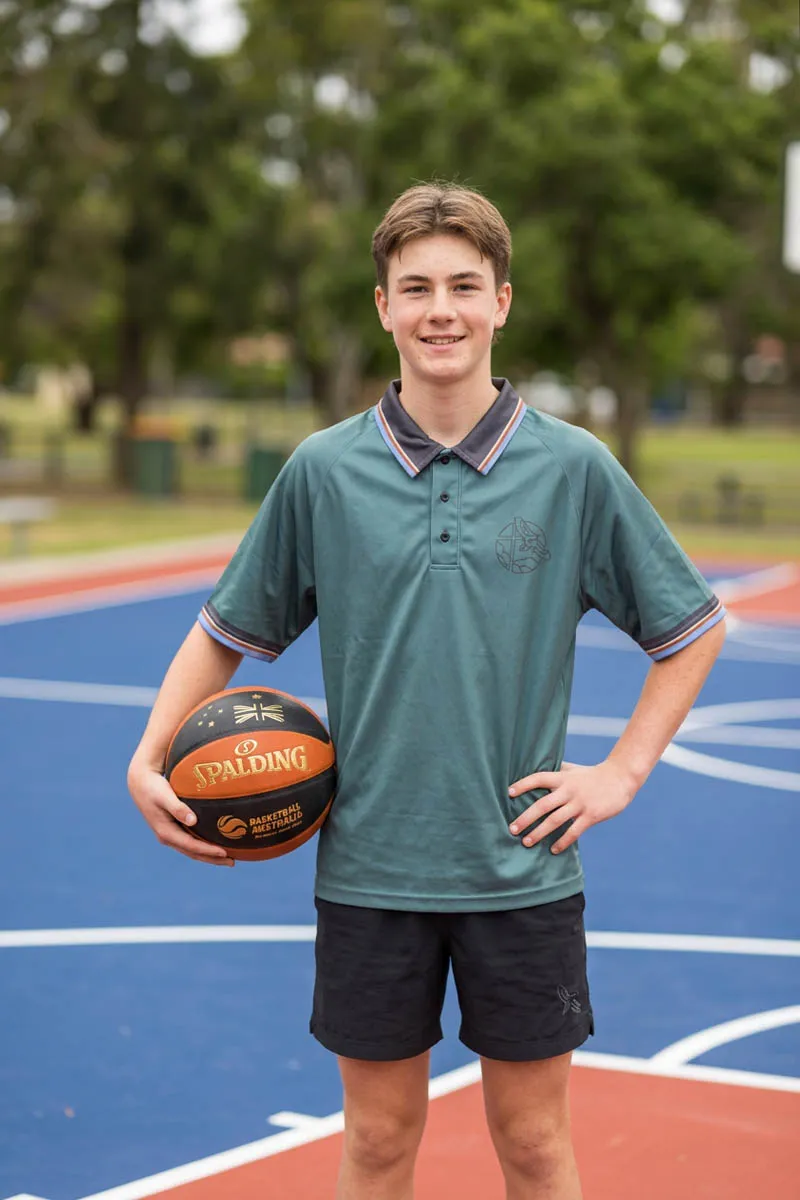
Students study six subjects across the full year. These are English, Mathematics, Science, Philosophy, Languages and Physical Education. They build the depth that strong foundations require. These subjects develop essential literacy and numeracy while challenging students to think critically, communicate with clarity, solve problems and pursue healthy, active lives.
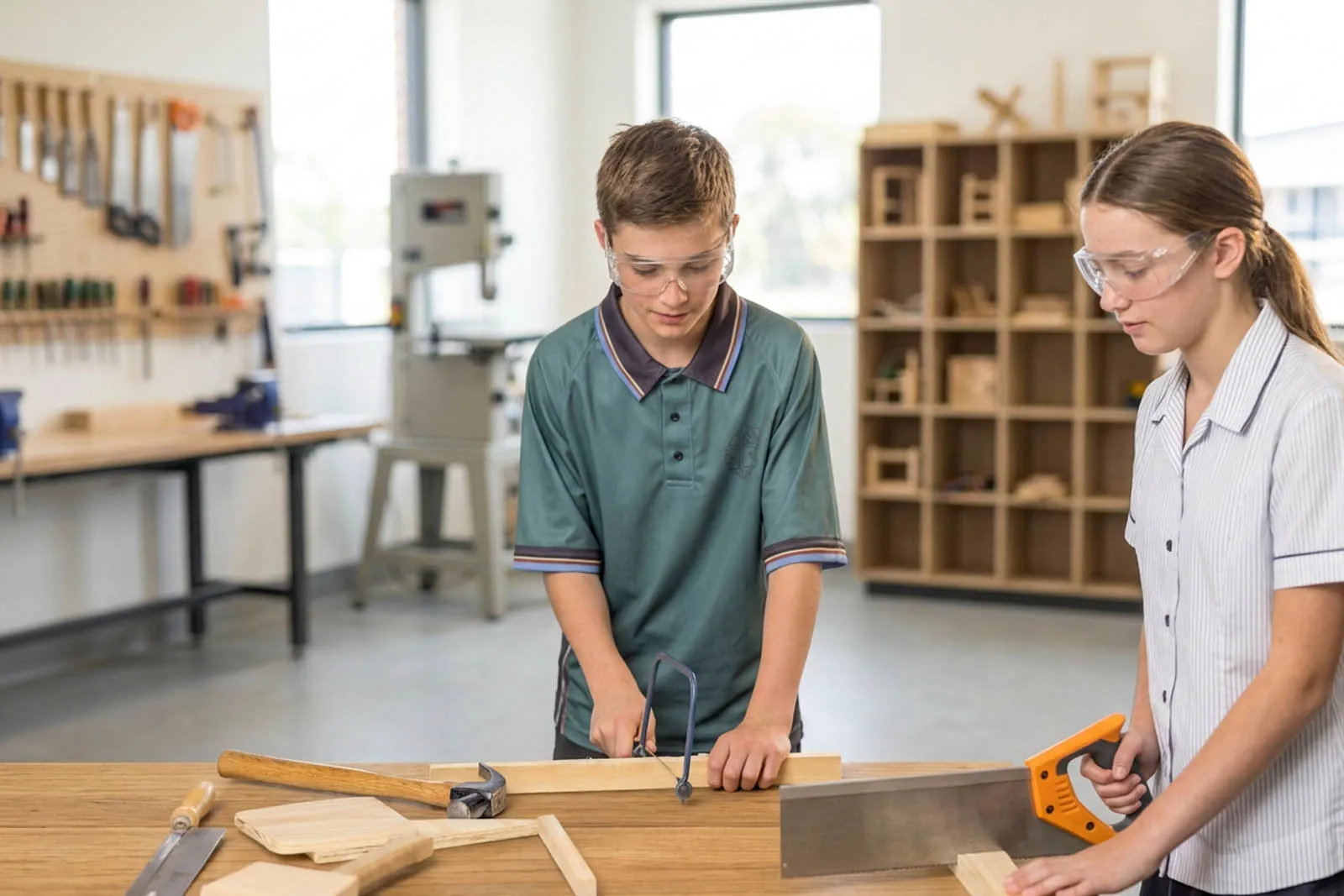
Alongside these, a program of semester subjects opens up the humanities, technologies and the arts: Civics and Citizenship, History, Design Technology, Digital Technology, Dance, Drama, Music and Visual Art. The breadth is deliberate. Years 7 and 8 are the years for discovering an unexpected talent, and our timetable is built to make that discovery likely.
Known, valued and connected
Every student belongs to a mentor class, supported throughout the year by a mentor teacher who is the first point of connection for students and families. Through regular check-ins and ongoing conversation, mentor teachers come to know each young person's strengths, interests and aspirations. We celebrate achievements, monitoring progress, and walk alongside them through the opportunities and challenges of adolescence. Every student has a trusted adult who knows them well and advocates for them.
Students belong to a House Group. These multi-age communities build friendship, leadership and school spirit with older students mentoring younger peers.
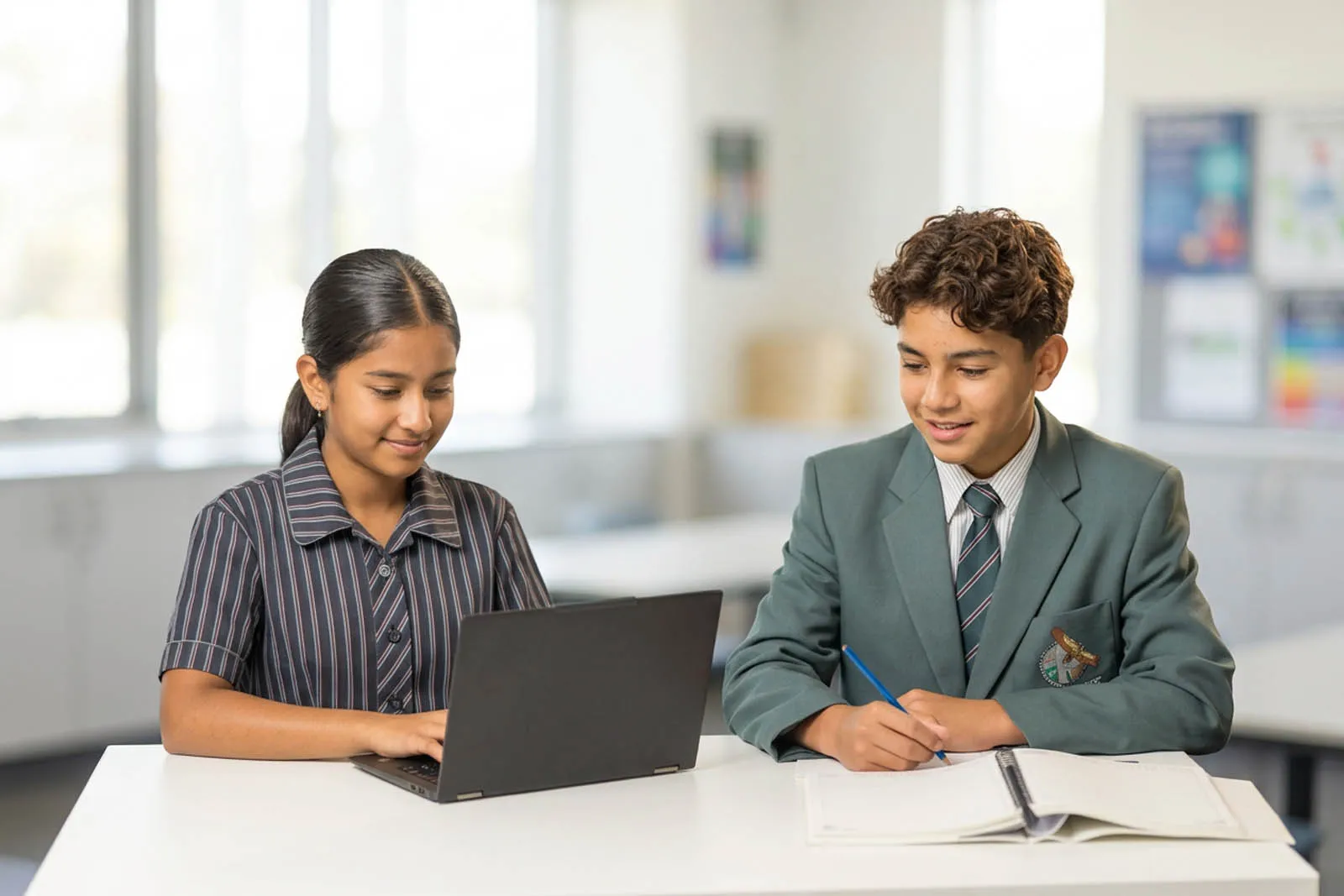
Dedicated Academic Support and Enrichment lessons are timetabled each week and woven into the rhythm of school life rather than treated as an add-on. In these lessons students strengthen literacy and numeracy, receive personalised support, extend themselves through enrichment and challenge, and develop the study habits, organisation and independence that secondary schooling demands.
Our Homework Hub runs several afternoons each week, supervised by teaching staff from across the disciplines. It gives students a structured place to consolidate their learning, prepare for assessment and ask any questions they might not have asked in class.
Technology is used where it genuinely enhances inquiry, creativity and communication. We understand that some of the most meaningful learning happens away from a screen: in discussion, practical investigation, outdoor learning, reading and making. A strong emphasis on digital citizenship equips students to use technology safely and ethically, to think critically about what they encounter online and to understand their own digital footprint.
From purpose-built spaces to student capacity, these figures tell the story of a school designed to grow minds, nurture community, and lead with intention.
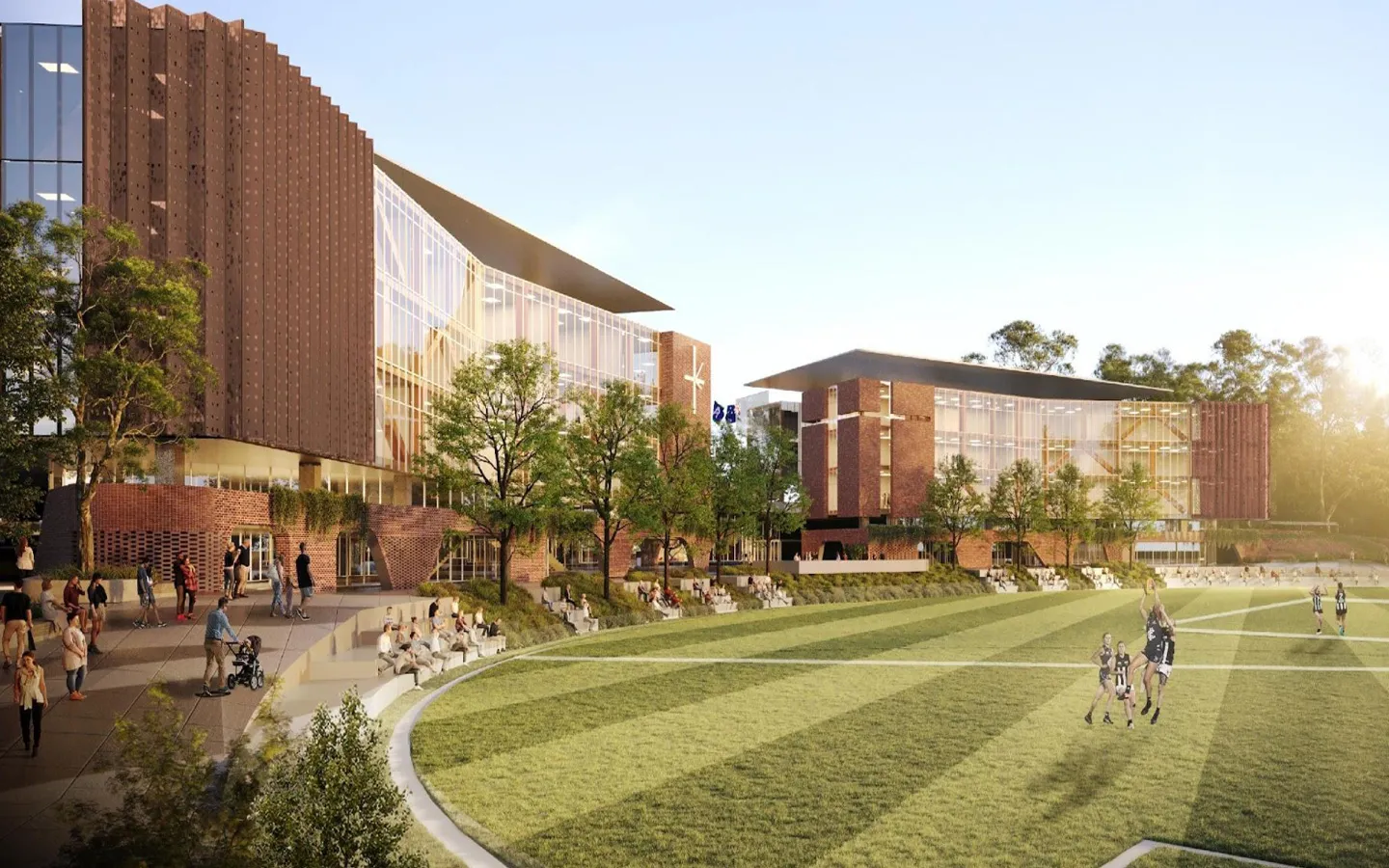
56,000 m² Campus Footprint Spanning over 5.6 hectares, our sustainable vertical campus is thoughtfully designed to grow alongside its students and the community—maximizing space, light, and opportunities.
120-Place ELC • 88-Place Kindergarten Our foundation classes are intentionally scaled to be welcoming and nurturing, ensuring personalised learning and a sense of security as your child begins their school journey.
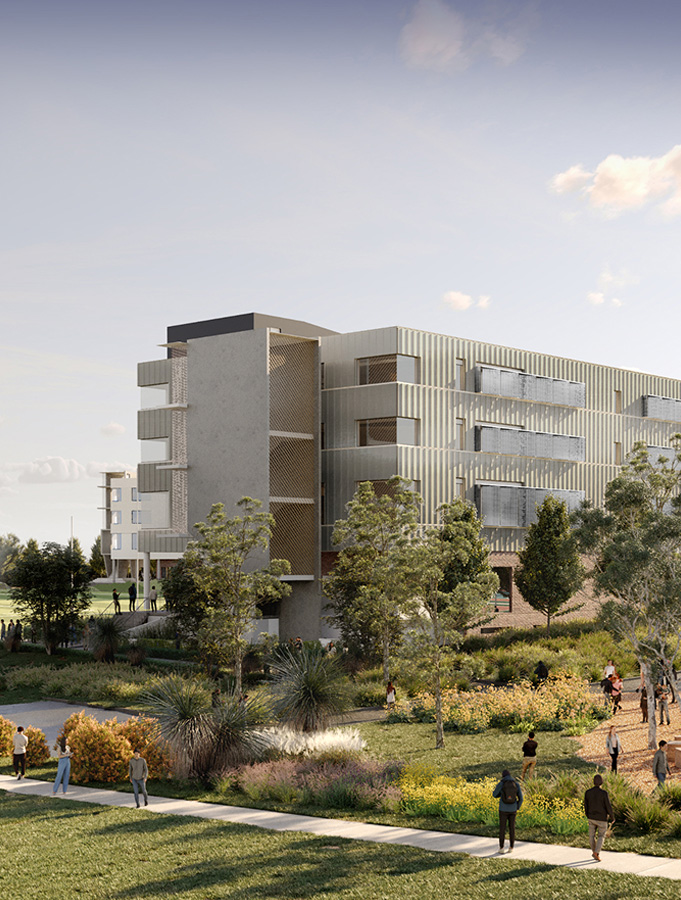
Five Multi-Storey Buildings Our vertical design includes single-storey learning spaces alongside four- and five-storey structures—maximising connection, sustainability, and the unique landscape of Stromlo.
Total Student Places From Early Learning through to Year 12, we offer a complete educational journey on one site, fostering deep connection and seamless progression for every child.
600 Primary • 700 Junior Secondary • 350 Senior With carefully distributed cohorts—Primary (600), Years 7–10 (700), Years 11–12 (350)—we maintain strong pastoral care and support at each educational stage.
Toward Net-Zero Energy We’re on track to become one of Australia’s first zero‑energy certified schools, powered by local renewable energy and designed to meet rigorous sustainability standards.
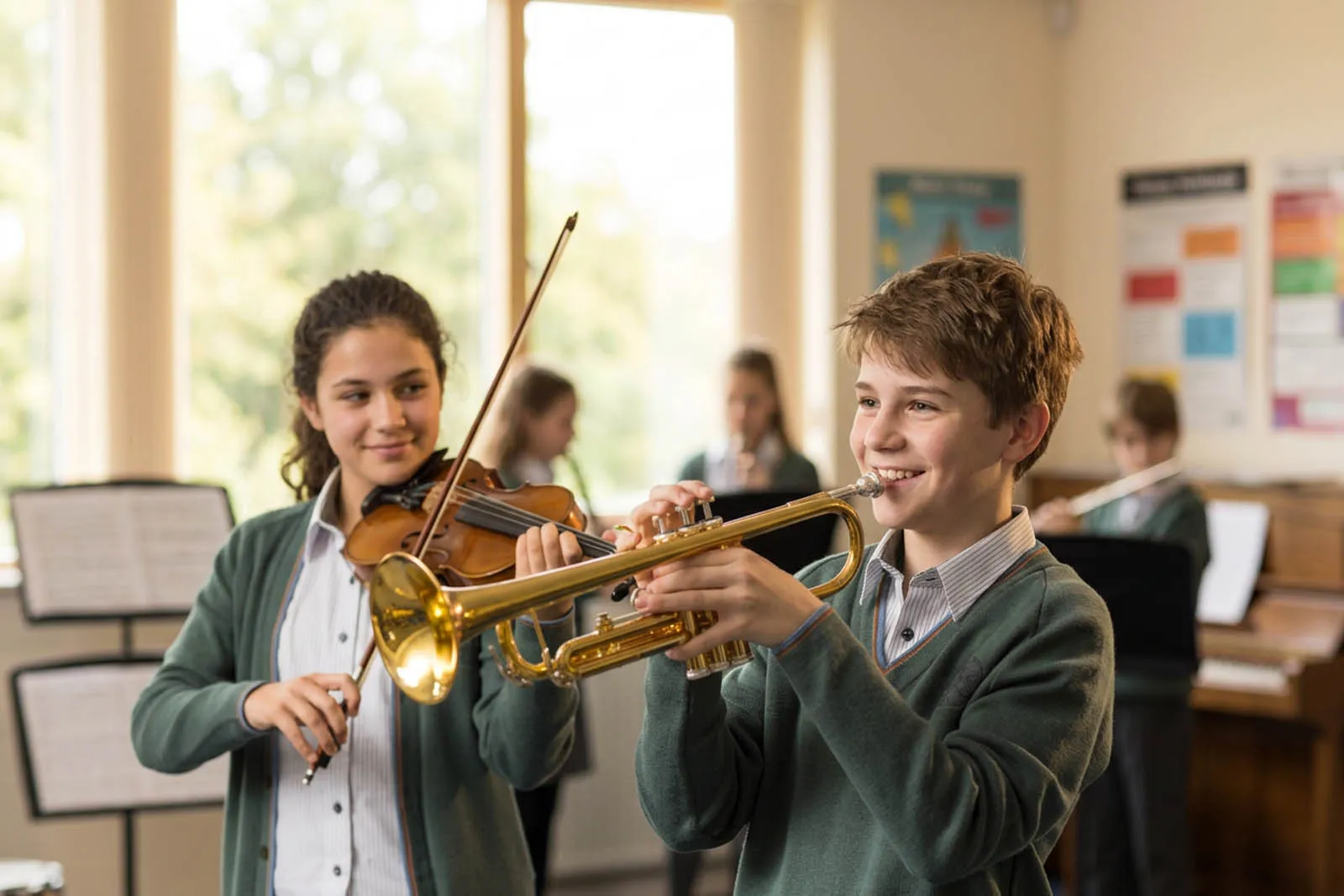
Our co-curricular program invites students to discover what they love: inter-house competition, representative sport and seasonal programs; ensembles, choir and instrumental tuition; drama, dance, productions and showcases.
Clubs and interest groups include the Culinary Garden Lab, Chess Club, Debating and Public Speaking Society, STEM and Innovation Club, Book Club and Arts Studio. All grow in response to student initiative. Camps, outdoor education and learning on Country offer challenge, reflection and cultural understanding.
It's a fair question, and we'd rather answer it directly than sidestep it. We don't yet have a decade of results to point to. What we do have is an experienced leadership team, teachers recruited specifically for this work, and the backing of the Anglican Diocese of Canberra and Goulburn, which has been running schools in this region for generations. We also have something established schools can't offer: the ability to build every practice deliberately, rather than inherit it.
Our curriculum follows the Australian Curriculum, taught by qualified teachers using well-evidenced approaches. What is new is the school, not the education. Founding students shape traditions, name teams, set expectations and lead in ways that simply aren't available at schools where the culture was settled decades ago. Most of our founding families tell us this is the reason they chose us, not a risk they accepted.
While our first Years 7 and 8 cohorts may be smaller than they will eventually be, they are still large enough to cater for a proper school experience.
In 2027, almost nobody will know anyone. This is probably the easiest year to arrive. Every student joins a mentor class and a House Group from day one, and our transition program is built around the assumption that friendships need to be actively made rather than left to chance.
Our year-long subjects (English, Mathematics, Science, Philosophy, Languages and Physical Education) run for every student, every year. The specialist subjects run on a semester rotation, so students experience the full breadth across Years 7 and 8 rather than choosing between them. It's a structure that works well and gives students a genuine basis for later subject choices.
Both are planned for. Academic Support and Enrichment lessons are timetabled every week for every student, so support and extension happen inside the school day rather than as an afterthought. Teachers use this time for targeted literacy and numeracy work, personalised support, and enrichment for students ready to push further.
No. Every secondary student has a personal device and uses our learning management system, Canvas, because those are genuinely useful tools. But technology is used where it improves learning and set aside where it doesn't. A great deal of what is planned at Stromlo is discussion, practical investigation, outdoor learning, reading and making. We teach digital citizenship explicitly, and we take healthy technology habits seriously.
No. We welcome families of all faiths and none. Students take part in Religious and Values Education and regular Chapel, which are about exploring meaning, ethics and character rather than requiring belief.
Sport, music ensembles and instrumental tuition, drama and dance, and clubs including the Culinary Garden Lab, Chess Club, Debating and Public Speaking Society, STEM and Innovation Club, Book Club and Arts Studio. New clubs will start when students want them. In a new school like Stromo, a student with an idea and a teacher willing to supervise is genuinely all it takes.